Picking the right photography drone can feel a bit overwhelming, but it doesn’t have to be! Think about what you'll use it for first. Are you snapping scenic landscapes, or do you want to catch action shots at events? Knowing your primary use helps narrow down your choices.
Next, consider the camera quality. Look for drones with high-resolution cameras and good stabilization features. You want clear, crisp images, especially if you plan to blow them up or print them out. Features like a 3-axis gimbal really make a difference in keeping your shots steady.
Don’t forget about battery life and range. A drone that can stay in the air for a long time will give you the freedom to capture those perfect moments. Ensure the range meets your needs too, especially if you're thinking of flying it far from where you're standing.
Finally, think about your budget. There are great options out there for every price range. Sometimes, investing a little more upfront means you’ll get better features, but you can definitely find fantastic drones that won’t break the bank.
Essential Features for Great Aerial Shots
When it comes to capturing those jaw-dropping aerial shots, you need a drone that packs some serious features. Let's break down what to look out for to ensure your photography game is on point.
First up, a good camera is a must. You want high resolution to get sharp, detailed images. Look for drones that offer at least 4K video capabilities. Plus, having a decent sensor size helps you take great photos, even in tricky lighting conditions.
Next, consider the stabilization features. Drones with gimbals really shine here. This handy tool keeps your camera steady, which means smooth, professional-looking shots. Nobody wants shaky footage ruining their epic landscape capture!
Battery life can make or break your photo sessions. Aim for drones that give you at least 20-30 minutes of flight time. Longer flights let you explore more and capture those perfect moments without rushing back to land.
Lastly, think about the drone’s range and how easy it is to control. A strong signal will let you fly farther and still get great images. And intuitive controls mean you can focus on getting that perfect shot without getting tangled up in complicated buttons.
Tips for Capturing Perfect Drone Images
Capturing stunning images with your drone can be a game-changer for your photography. Here are some tips to help you get the best shots possible.
First things first, think about the time of day you’re flying. Early mornings and late afternoons, known as the golden hours, offer beautiful light that can make your shots pop. Midday sun can create harsh shadows and overexposed areas. If you can, plan your flights around these times.
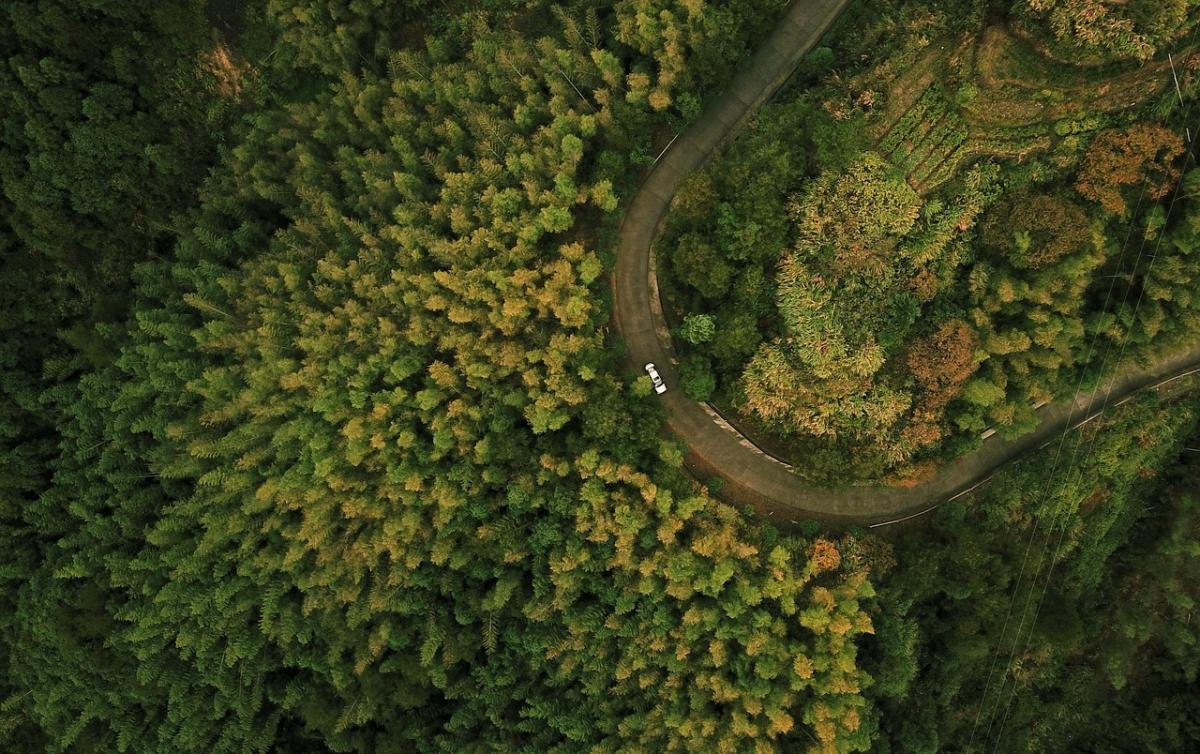
Next, pay attention to your angles. Experiment with different heights and perspectives. Sometimes a shot from just a few feet off the ground offers a fresh take. Don’t be afraid to get creative—shoot straight down for unique top-down views or try to frame your subject using natural elements like trees or rocks.
Don’t forget about composition! Following the rule of thirds can instantly improve your shots. Imagine your image divided into nine equal parts and position your main subject off-center. This creates balance and makes your photos more appealing. Also, look for leading lines that draw the viewer’s eye into the shot.
Finally, remember to check your settings before you take off. Make sure your camera settings suit the conditions you're in. Adjust the ISO and shutter speed based on the light to capture crisp, clear images. And don’t forget to keep an eye on your battery life—it’s no fun when you’re on a roll and realize you need to land!
Editing Your Photos for Maximum Impact
Editing your photos can take your drone shots from “meh” to “wow” pretty quickly. Even the best drone footage can sometimes use a little extra magic. It’s like adding seasoning to your favorite dish; it brings out the best flavors. So, let’s dive into some simple editing tips that will help your photos really stand out.
First up, adjust your brightness and contrast. If your image looks a bit dull, a quick tweak can bring it back to life. Increase the brightness to lighten up shadows and boost the contrast to make colors pop. A bright, vibrant image usually draws more attention and can make those sunset shots absolutely stunning.
Next, don’t forget about color correction. Sometimes, your drone's camera might not capture colors as vividly as they appear in real life. Use editing tools to adjust saturation and color balance. This can help your greens look greener and your blues look bluer, which is perfect for landscapes.
Also, cropping is a simple yet powerful tool. Get rid of any distracting elements around the edges. Zoom in on your subject and create a stronger focal point. Remember, the rule of thirds can really help here—placing your subject off-center can create a more interesting composition.
Lastly, consider adding a touch of sharpness. This can make details stand out, especially in landscape shots. But be careful not to overdo it, or your photos might look unnatural. Small adjustments can make a huge difference!